3 Signs You Need a Root Canal | Save Your Tooth Fast
3 Signs You Need a Root Canal
Don't ignore the warning signs—early treatment can save your tooth
Tooth pain can range from a minor annoyance to an unbearable ordeal. While occasional sensitivity might just mean you need to brush and floss more consistently, persistent or severe pain often signals something more serious. If you're dealing with ongoing dental discomfort, you might be wondering: do I need a root canal?
Root canal treatment gets a bad reputation, but it's actually designed torelievepain, not cause it. Modern techniques and sedation dentistry options make the procedure more comfortable than ever. The key is recognizing the warning signs early so you can address the issue before it gets worse.
1. Persistent Pain Deep Within the Tooth
Not all toothaches are created equal. A dull ache after eating something sugary might indicate early decay, but if you're experiencing intense, throbbing pain that radiates deep within the tooth or extends to your jaw, face, or other teeth, that's a red flag.
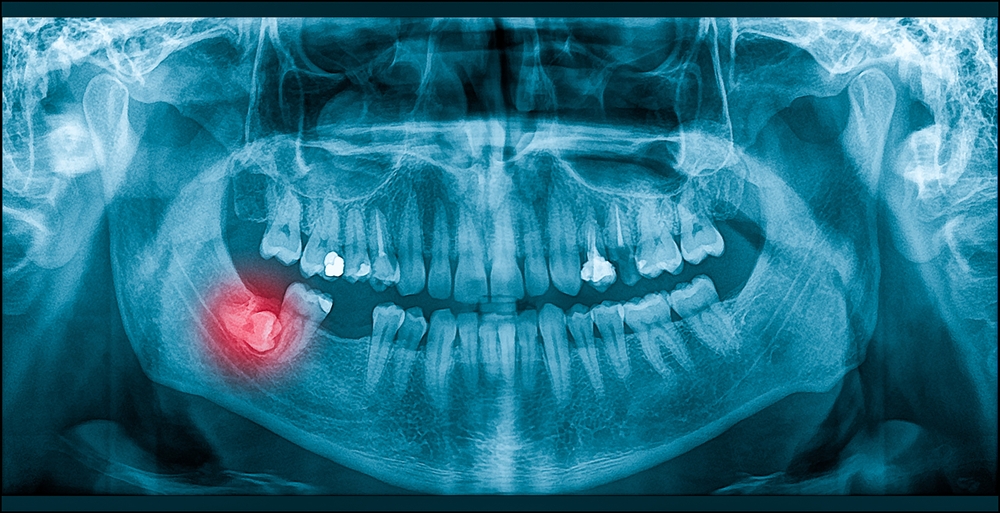
This type of pain typically indicates that the pulp—the innermost part of your tooth containing nerves and blood vessels—has become infected or inflamed. The infection causes pressure to build up inside the tooth, which is what creates that relentless, pulsing sensation you can't ignore.
What causes pulp infection?
Deep cavities that reach the pulp chamber
Repeated dental procedures on the same tooth
Cracks or chips that allow bacteria inside
Trauma to the tooth, even without visible damage
You might notice the pain comes and goes, or it might be constant. Either way, if you're dealing with severe, deep tooth pain, it's time to schedule an appointment with our team. At Alpha Dental Excellence, we offer 24/7 emergency dental care because we know tooth pain doesn't wait for business hours.
2. Prolonged Sensitivity to Hot and Cold
Do you wince when sipping your morning coffee or eating ice cream? Some tooth sensitivity is normal, but if the discomfort lingers long after the hot or cold stimulus is gone, that's concerning.
Brief sensitivity that disappears quickly usually indicates minor enamel erosion or gum recession. However, when the pain persists for 30 seconds or longer after the temperature change, it often means the nerve inside your tooth is damaged or dying.
The sensitivity might start as mild discomfort but gradually worsen over time. You might find yourself avoiding certain foods and drinks, or constantly favoring one side of your mouth when eating. These are your body's ways of protecting an injured tooth—and they're signals you shouldn't ignore.
Did you know?Our advanced diagnostic technology can pinpoint the exact source of your pain with precision imaging and AI-assisted X-rays, taking the guesswork out of diagnosis.
If you're experiencing prolonged temperature sensitivity, don't wait for it to "get better on its own." An infected tooth won't heal without professional treatment. The sooner you address the problem, the better your chances of saving the tooth with root canal therapy instead of extraction.
3. Swelling, Tenderness, or a Pimple on Your Gums
Swelling around a tooth is never a good sign. When infection spreads from the tooth's pulp to the surrounding bone and gum tissue, your body responds with inflammation. This can manifest as visible swelling in your gums, jaw, or even your face.
You might also notice a small, pimple-like bump on your gum near the affected tooth. This is called a dental abscess or fistula—a pocket of pus that forms when your body tries to drain the infection. Sometimes it'll drain on its own, providing temporary relief from pressure and pain. But don't be fooled: the underlying infection remains and will continue causing damage until properly treated.
Other signs of dental infection include:
Tender, swollen lymph nodes in your neck
Bad taste in your mouth that won't go away
Persistent bad breath (halitosis)
Gum tenderness and redness around the tooth
Tooth discoloration (darkening or grayish tint)
Dental infections are serious business. Left untreated, they can spread to other parts of your body and cause severe health complications. If you notice any swelling or unusual bumps on your gums, contact our office immediately for emergency dental treatment.
What to Expect During Root Canal Treatment
If you've determined you need a root canal, you might be feeling anxious about the procedure. Here's the good news: with modern dentistry techniques and our patient-centered approach, root canal treatment is typically no more uncomfortable than getting a regular filling.
The root canal process:
Examination and imaging:We'll take detailed X-rays or 3D scans to assess the extent of the infection and plan your treatment.
Anesthesia and comfort:We'll numb the area completely. If you're anxious, we offer multiple sedation options including laughing gas, oral sedation, or IV sedation with a board-certified anesthesiologist.
Cleaning and disinfection:We'll create a small opening in the tooth, remove the infected pulp, clean the canals, and disinfect the area.
Sealing the tooth:The cleaned canals are filled with a biocompatible material and sealed to prevent future infection.
Restoration:In most cases, you'll need a crown to protect and strengthen the treated tooth. Thanks to our same-day crown technology, we can often complete this in a single visit.
Most patients report feeling immediate relief after treatment because the source of the infection and pressure has been eliminated. Any post-procedure discomfort is typically mild and easily managed with over-the-counter pain medication.
How to Prevent Root Canal Infections
While not all root canal needs are preventable, you can significantly reduce your risk by maintaining excellent oral hygiene and staying proactive about dental care:
Brush twice dailywith fluoride toothpaste and floss at least once a day
Schedule regular dental checkupsevery six months for cleanings and exams
Address cavities promptlybefore they become deep enough to reach the pulp
Wear a mouthguardif you grind your teeth at night or play contact sports
Don't ignore cracks or chipsin your teeth—get them repaired quickly
Limit sugary foods and drinksthat promote cavity formation
Our comprehensive general dentistry services include preventive care designed to catch problems early, before they require extensive treatment. We use advanced diagnostic tools like AI-assisted X-rays to detect issues that might not be visible to the naked eye.
Don't Wait—Get the Care You Need Today
If you're experiencing any of the three warning signs we've discussed—persistent deep pain, prolonged temperature sensitivity, or swelling and tenderness—don't put off treatment. The longer you wait, the more damage the infection can cause, potentially leading to tooth loss or more complex procedures.
At Alpha Dental Excellence, we've been voted the best dental office in the Philadelphia region for eight consecutive years because we prioritize patient comfort, use cutting-edge technology, and provide compassionate care. Whether you need a routine checkup or urgent root canal treatment, we're here for you.
Ready to address your tooth pain?
We offer flexible payment plans, accept most insurance, and provide 24/7 emergency care. Your comfort and oral health are our top priorities.
Frequently Asked Questions About Root Canals
Is a root canal painful?
With modern anesthesia and techniques, root canal treatment is no more uncomfortable than getting a filling. The procedure actually relieves pain by removing the infected tissue causing your discomfort.
How long does a root canal take?
Most root canals can be completed in one to two appointments, each lasting 60-90 minutes. Complex cases may require additional visits.
What happens if I don't get a root canal?
An infected tooth won't heal on its own. Without treatment, the infection will spread, potentially leading to abscess, bone loss, and eventually tooth loss. In rare cases, untreated infections can become life-threatening.
Can I get sedation for my root canal?
Absolutely! We offer multiple sedation dentistry options to ensure your complete comfort, including nitrous oxide (laughing gas), oral sedation, and IV sedation administered by a board-certified anesthesiologist.
How much does a root canal cost?
Costs vary depending on which tooth is affected and the complexity of the case. We accept most dental insurance and offer flexible payment plans to make treatment affordable. Contact us for a personalized cost estimate.
