Common Orthodontic Problems and Treatment Options in Langhorne, PA
Is Your Bite Holding You Back in Langhorne?
On your morning coffee run at Giant on E. Lincoln Hwy, do you ever catch your reflection and wonder about your bite? Take 60 seconds: do your top teeth jut forward, do your back teeth fail to meet evenly, or is there a gap when you bite? Those are early bite clues. We see them every day with Langhorne families. And they’re easier to understand than you think.
Picture photos at Core Creek Park—does one side of your smile look higher, or do teeth crowd in the front? Or during a chat at Sesame Place, does your jaw click when you yawn or chew? If so, your bite might be working harder than it should. You’re not alone if you’re unsure what’s normal versus “needs attention.” We’ll walk you through it clearly.
What looks cosmetic can quietly drive enamel wear, tender gums, headaches, and jaw strain. Small alignment issues tend to shift over time—often faster than you expect. The good news: smart fixes are simpler and local. Curious if your bite needs attention? Book a quick orthodontic evaluation in Langhorne—we’ll give you clear next steps. Next, let’s talk about why timing matters for your health, comfort, and long‑term costs.
Orthodontic Problems: More Than Cosmetics for Langhorne Families
Since timing matters, let’s look at how bite issues show up right here. For Neshaminy School District students, crowded teeth are harder to brush, which means more plaque and tender gums. For I‑295 (Interstate 295) commuters, a deep overbite can trigger jaw (temporomandibular joint, or TMJ) fatigue by the time you reach the office. And confidence? Smiles get smaller when chewing or photos feel awkward. Early evaluations often simplify care and shorten treatment. Adults aren’t left out—discreet clear aligners and ceramic braces fit real life.
Misalignment also speeds up uneven wear, especially on front teeth that bang or never meet. That can chip edges and make flossing frustrating. We see this in busy Bucks families juggling games at Maple Point and quick runs to Oxford Valley. The fix doesn’t have to derail your schedule. We offer quick checks, digital scans, and after‑school or early‑morning spots. Kids benefit from guidance now, but adults get great results too with nearly invisible aligners and low‑profile brackets that don’t take over your smile.
At Alpha Dental Excellence, we live and work in Langhorne, so we know the patterns. Subtle crowding today can become bleeding gums or chipping within a couple of years. We’ve helped hundreds of neighbors map a plan that fits Bucks County realities—school drop‑offs, I‑295 traffic, and limited lunch breaks. Expect straight talk, photos, a digital scan, and clear next steps. No pressure. Just answers and a plan that respects your time, budget, and smile.
The Hidden Costs of Untreated Bite Issues
Here’s the short list: crowding (teeth overlap), spacing (gaps), crossbite (upper teeth sit inside lower), deep bite/overbite (upper front teeth cover lowers too much), open bite (front teeth don’t meet), Class II overjet (upper teeth too far forward), and Class III underbite (lower teeth ahead). These cause food impaction, cheek and lip biting, biting the palate, jaw fatigue, and sometimes headaches or a lisp. Translation: eating is harder, cleaning is tougher, and enamel wears faster.
Misaligned teeth are simply harder to keep clean, which leads to inflamed gums, enamel wear, and cavities at tricky angles. That’s why we coordinate hygiene, fluoride, and checkups with our general dentistry team. When orthodontics and cleanings move together, plaque stays down and treatment stays on track. If you’ve noticed bleeding when brushing, bad breath, or new sensitivity, alignment may be part of the fix as much as flossing technique.
Here’s how the most common orthodontic issues typically present—and why they matter in Langhorne:
Condition and risk matrixConditionWhat you might noticeOral health risksEveryday hasslesWhen to actCrowdingTeeth overlap or rotatePlaque retention, gum inflammation, uneven wearFood stuck, harder flossingIf flossing is difficult or gums bleedSpacingGaps between teethGum recession near diastema, driftingWhistling speech, food trappingIf gaps widen or affect speechCrossbiteUpper teeth sit inside lowerAsymmetric growth, enamel chippingChewing on one side, jaw shiftIf you see midline off or one-sided chewingDeep bite (overbite)Upper incisors cover lowers too muchPalate trauma, incisor wearBiting the palate, lip entrapmentIf you bite into the roof of mouthOpen biteFront teeth don’t touch when bitingTongue posture issues, gum strainCan’t bite noodles/sandwiches cleanlyIf habits (thumb/tongue) persistClass II/IIIProtrusive overjet or underbiteTMJ strain, uneven wearFrequent biting of cheeks/lipsIf jaw position affects chewing/speech
Why Waiting—or Quick Fixes—Make Bite Problems Worse
Teeth drift throughout life, not just in childhood. Crowded areas trap plaque and inflame gums, while heavy contacts accelerate enamel wear. For teens, growth windows close around puberty, so crossbites and overjets that are simple at 11 can demand 6–12 extra months by 15. For adults, bone remodels more slowly, so corrections may need additional mechanics or small anchors, and TMJ (jaw joint) flare‑ups become more likely when bites stay off. Waiting usually adds steps, time, and cost.
Common missteps we see around Langhorne—and what they cost you:
Delaying care: minor issues become 8–12 month longer cases
Mail-order aligners: lack of x‑rays can miss root/bone issues
Inconsistent retainer wear: relapse that restarts treatment
Skipping hygiene visits: inflamed gums slow or pause ortho
Orthodontics works best as a team sport. We align teeth while your cleanings, fluoride, and fillings stay current through our coordinated dental services. The result: fewer slowdowns, healthier gums, and smoother appointments.
Your Personalized Treatment Playbook—Built for Langhorne Life
Your visit starts with photos, a 3D digital scan, x‑rays (images of teeth and roots), and a bite analysis. For kids and teens, we factor growth stage to time expanders or elastics for maximum effect. For adults, bone density, existing crowns or fillings, and gum health shape the plan. We’re near Oxford Valley, with early, after‑school, and some evening appointments so you don’t miss class or meetings. You’ll leave with options, timelines, and transparent costs.
Our toolkit covers metal or ceramic braces, clear aligners, palatal expanders, elastics and TADs (temporary anchorage devices—tiny pins that guide movement), habit therapy (tongue and thumb training), and surgical orthodontics for severe jaw discrepancies. We often mix methods—aligners with elastics, or braces plus TADs—to balance esthetics, speed, and budget. We’ll explain what each choice means for comfort, visibility, and maintenance so you can decide with confidence.
We consider surgical orthodontics when the jaw relationship, airway, or facial symmetry can’t be corrected with tooth movement alone—think significant underbite/overbite or narrow airway concerns. If that’s you, we coordinate closely with local surgeons and map the sequence, from presurgical alignment to recovery and finishing. Learn how we partner on oral surgery in Langhorne so the process feels organized, informed, and predictably paced.
Compare popular options at a glance:
Treatment comparisonTreatmentBest forVisibilityAvg. timelineLifestyle fitNotesMetal bracesComplex tooth movementsVisible12–24 monthsDurable, cost-effectiveFast mechanics, broad applicabilityCeramic bracesEsthetic braces wearersLow‑visibility12–24 monthsDiscreet, careful hygieneBlend with enamel, slightly more delicateClear alignersMild–moderate crowding/spacingNearly invisible6–18 monthsRemovable for mealsCompliance dependent; attachments commonPalatal expanderCrossbite, narrow upper jawHidden appliance4–6 months + bracesEarly interventionGuides growth, widens archElastics/TADsBite correction anchorageMinimal visibilityCase dependentTargeted biomechanicsSpeeds correction, controls movementSurgical orthoSevere jaw discrepanciesN/A12–24+ monthsLife-changing alignmentCombined with braces/aligners
How It Works in Real Life: Langhorne Success Stories
Maple Point teen with a crossbite started early: a palatal expander for 5 months, then braces for 12. Chewing balanced out, the midline matched, and their smile looked natural in Core Creek Park photos. Soreness was mild after adjustments and faded within a couple of days. Parents appreciated fewer emergency visits, quick after‑school checks, and a clear milestone tracker so they always knew what was next.
An adult from Flowers Mill had an open bite linked to tongue posture. We paired myofunctional habit training with clear aligners worn 20–22 hours a day. Now sandwiches bite cleanly, and jaw aches are rare on the US‑1 Bypass commute. Discreet trays fit meetings and family life, and check‑ins every 6–8 weeks kept progress steady without disrupting work.
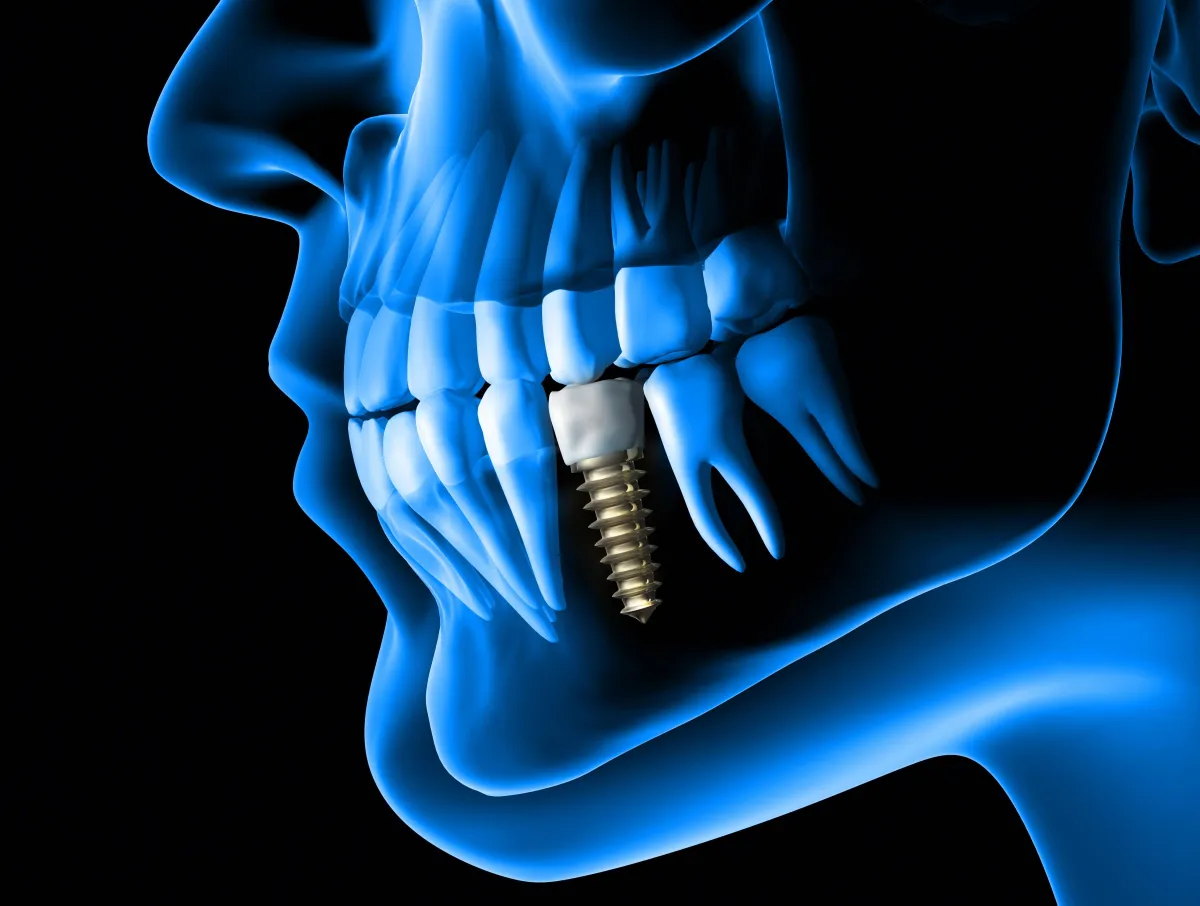
A young professional near Oxford Valley had spacing and a missing lateral incisor. Aligners first closed minor gaps and created ideal room for a future tooth. After we stabilized the bite, a specialist placed a restoration using dental implants to complete the smile line. The sequencing mattered—proper spacing made the final result look seamless and feel natural.
Typical milestones you’ll experience:
Baseline photos/x‑rays and scan
Custom plan review and options
Active tooth movement phase
Refinement and bite detailing
Retainers and stability check‑ins
Orthodontics in Langhorne: Frequently Asked Questions
From retainers and stability check-ins to costs and comfort, here are quick answers Langhorne patients ask before starting treatment.
Q: Am I too old for braces or aligners?
A: No. Adult orthodontics is common in Bucks County. We regularly treat ages 30–70. Plans account for bone density, existing dental work, and esthetics. Clear aligners or ceramic braces keep treatment discreet while protecting crowns, veneers, and implants.
Q: How long will treatment take?
A: Many cases finish in 6–18 months; complex jaw discrepancies can take longer. Mild aligner cases may wrap up in 6–9 months; comprehensive braces often run 12–24. Timelines depend on goals, growth stage, and consistency with appointments, elastic use, and 20–22 hours/day aligner wear.
Q: Will it hurt?
A: You’ll feel pressure after adjustments or new aligners for 1–3 days. Think tenderness, not sharp pain. We use gentle, steady forces and share comfort tips—cool foods, wax, salt‑water rinses—so you’re back to school, work, or weekend plans fast.
Q: What if I need a tooth replaced?
A: Orthodontics creates ideal space and tooth angulation first; then a specialist places the restoration. Whether it’s an implant, bridge, or veneer, we coordinate timing so teeth don’t drift, gums stay healthy, and the final esthetics and bite feel natural long term.
Ready for a Healthier Bite and a Confident Smile in Langhorne?
If you’re ready for your bite to feel natural long term, schedule a comprehensive orthodontic assessment with us. Langhorne Borough, Middletown Township, Woodbourne, and Yardley families are welcome. In one 45–60 minute visit, we’ll take photos, a digital scan, and check your bite, then outline clear options with timelines (often 6–18 months) and transparent pricing. We offer early, after‑school, and some evening appointments—plus easy parking near Oxford Valley. Prefer a low‑commitment start? Book online or call, tell us your goals, and we’ll map a plan that fits your calendar and budget.
Parents juggling Neshaminy pickups and busy professionals on the I‑295 commute—this was built for you. Expect straight answers, a simple step‑by‑step plan, and check‑ins that typically run 15–20 minutes. Most PPO plans are accepted, HSA/FSA dollars are welcome, and flexible monthly payments are available. Want something discreet? We’ll compare aligners and braces side‑by‑side for comfort, visibility, and speed. You’ll leave with next steps and a clear timeline, not a sales pitch. Take the first, no‑pressure step today and feel confident about your smile and your plan.
If your plan includes tooth replacement, we can pre‑plan space and angles, then place with precision using our dental implant robot for guided accuracy. It streamlines visits, protects surrounding teeth, and helps your final smile look—and feel—seamless.
