Snap-In Dentures vs Implants: Newtown PA Patient Guide
Snap-In Dentures vs. Dental Implants: A Newtown, PA Patient's Guide
You've lost one tooth, several teeth, or maybe a full arch. Your dentist mentioned options. You went home and Googled "snap-in dentures vs dental implants," and now you're staring at dozens of contradicting articles, each one pushing a different solution. Sound familiar?
If you're a patient in Newtown, PA, or anywhere in the Bucks County region, this confusion is completely normal. Both snap-in dentures and dental implants replace missing teeth. Both improve your ability to eat and speak. But they are fundamentally different treatments with different costs, lifespans, maintenance needs, and effects on your long-term oral health.
This guide breaks down every meaningful difference between these two options so you can walk into your next consultation with clarity, not confusion.
What Are Snap-In Dentures?
Snap-in dentures (also called implant-retained overdentures) are a removable prosthetic that clips onto two to four dental implants placed in the jawbone. Unlike traditional dentures that rely on adhesive pastes or suction, snap-in dentures use a ball-and-socket or bar attachment system to "snap" securely onto implant posts.
Here's the important distinction: snap-in dentures are still dentures. They sit on top of the gum tissue, cover a portion of the palate (on the upper arch), and must be removed nightly for cleaning. The implants underneath provide stability and retention, but the prosthetic itself is not permanently fixed in place.
How Snap-In Dentures Work
A dentist places 2 to 4 small implant posts into the jawbone
After healing (typically 3 to 6 months), custom dentures are fabricated with built-in attachment housings
The denture snaps onto the implant posts for a secure fit throughout the day
The patient removes the denture each night for cleaning and gum tissue rest
Snap-in dentures are often recommended for patients who currently wear traditional dentures and want a significant upgrade in stability without the cost or surgical scope of a full implant restoration.
What Are Dental Implants?
Dental implants in Newtown PA are titanium posts surgically placed into the jawbone to serve as artificial tooth roots. Over a period of 3 to 6 months, these posts fuse with the surrounding bone through a biological process called osseointegration. Once fused, they become a permanent part of your jaw.
A connector piece (abutment) is then attached to each implant, and a custom-made ceramic crown, bridge, or full-arch prosthetic is placed on top. The result looks, feels, and functions like natural teeth.
Types of Dental Implant Solutions
Single tooth implants:One implant post topped with one ceramic crown, replacing an individual missing tooth
Implant-supported bridges:Two or more implants supporting a bridge that replaces 3 to 5 adjacent missing teeth
All-on-4 implants:Four strategically placed implants supporting a full arch of fixed, non-removable teeth. This is a popular full mouth dental implant solution for patients missing all teeth on one or both arches
All-on-6 or All-on-X:Similar to All-on-4 but with additional implants for greater support in cases with compromised bone density
Unlike snap-in dentures, permanent implant restorations are fixed in place. You don't remove them. You brush and floss them like natural teeth.
Key Differences: Snap-In Dentures vs. Dental Implants at a Glance
Snap-In Dentures
Removable prosthetic that clips onto 2 to 4 dental implants
Must be removed nightly
Restores about 60% of natural chewing strength
Helps slow bone loss but does not fully stop it
Requires daily removal, cleaning, and soaking
Attachment parts need replacement every 1 to 2 years
Denture base lasts 5 to 10 years
Cost: $3,500 to $8,000 per arch
Dental Implants (Fixed)
Permanently fixed into the jawbone
Do not need removal
Restore 90%+ of natural chewing strength
Help preserve bone density
Maintenance is like natural teeth with brushing, flossing, and regular checkups
Implant posts last 25+ years, often lifetime
Crowns last 10 to 15 years
Cost: $15,000 to $30,000+ per arch; single implant $3,000 to $5,000
Comfort and Stability: What Daily Life Actually Feels Like
This is where the two options diverge most for patients. Snap-in dentures are a massive improvement over traditional dentures. They don't slip during conversation. They won't pop out when you laugh. But they still rest on gum tissue, which means you may experience sore spots, minor movement during chewing, and the daily ritual of removing and reinserting them.
Fixed dental implants feel different. Because they're anchored directly into bone, there's no movement at all. No acrylic plate pressing against your palate. No adhesive. Patients regularly describe the sensation as indistinguishable from their original teeth after the adjustment period.
For adults in Newtown and the broader Bucks County area who are active, socialize regularly, or simply want to stop thinking about their teeth, that distinction matters more than any spec sheet can convey.
Function and Chewing Ability: Can You Eat What You Want?
Traditional dentures restore only about 20% to 25% of natural chewing force. Snap-in dentures improve that to roughly 50% to 60%. That's enough for most cooked vegetables, pasta, soft meats, and bread. But biting into a raw apple, tearing jerky, or chewing a steak still presents challenges for many snap-in denture wearers.
Fixed implant restorations, including implant-supported restoration options, restore approximately 90% or more of natural chewing force. Corn on the cob, crusty bread, raw carrots: they're all back on the menu. This isn't a small quality-of-life difference. For many patients, the ability to eat without restriction is the single biggest factor in their decision.
Cost of Snap-In Dentures vs. Dental Implants: What to Expect
Cost is often the first question, and it deserves an honest answer.
The cost of snap-in dentures typically ranges from $3,500 to $8,000 per arch. This includes the implant posts (usually 2), the surgical placement, and the custom overdenture. It's significantly less than a full fixed implant restoration, which is why many patients gravitate toward this option initially.
A single dental implant (post, abutment, and crown) generally costs between $3,000 and $5,000. Full mouth restoration options like All-on-4 implants range from $15,000 to $30,000+ per arch, depending on the materials, imaging, sedation, and complexity involved.
But Consider the 10-Year and 20-Year Cost
Here's what the upfront comparison doesn't tell you. Snap-in denture attachments wear out every 12 to 24 months and cost $150 to $300 to replace each time. The denture base itself needs relining every 2 to 3 years ($300 to $500) and full replacement every 5 to 10 years ($2,000 to $4,000). Over 20 years, total costs can approach $15,000 to $20,000 per arch.
A fixed implant restoration's titanium posts, if placed correctly and maintained, can last a lifetime. The porcelain crowns or zirconia prosthetics on top typically last 10 to 15 years before replacement. Over 20 years, the total cost often comes in comparable to, or only modestly higher than, the cumulative cost of snap-in dentures.
For patients weighing the best tooth replacement option in terms of long-term value, this full-picture comparison changes the math considerably.
Maintenance and Longevity: What Each Option Demands
Snap-in dentures require a specific daily routine. Every night, you remove the denture, brush it with a soft-bristle brush, soak it in a cleaning solution, and clean the implant attachments in your mouth separately. The attachment housings (the small rubber O-rings or locator caps) wear down and need periodic replacement at your dentist's office.
Fixed dental implants require the same hygiene routine as natural teeth: brushing twice daily, flossing (or using a water flosser around the implant crowns), and visiting your dentist for routine dental care and oral health evaluation every six months. There's nothing to remove, nothing to soak, and no special products to buy.
In terms of longevity, the data is clear. Dental implant posts have a documented survival rate above 95% at 10 years and above 90% at 20 years. Snap-in dentures, while durable for a removable prosthetic, involve ongoing component replacement and eventual full refabrication.
Bone Health: The Factor Most Patients Don't Know About
This is arguably the most important clinical consideration in the dentures vs implants discussion, and the one least discussed in marketing materials.
When a tooth is lost, the jawbone beneath it begins to resorb (shrink). Without the stimulation that a tooth root provides during chewing, the bone gradually loses density and volume. Traditional dentures accelerate this process because they press on gum tissue, not bone. Over 10 to 20 years, significant bone loss can change your facial structure, making your chin appear to protrude and your lips to fold inward.
Snap-in dentures slow this process because the 2 to 4 implant posts provide some stimulation to the bone. But because the denture still rests partly on gum tissue, bone loss continues in the areas between and around the implants.
Fixed dental implants provide direct, consistent stimulation to the jawbone along the entire arch. This preserves bone density in a way that closely mimics natural tooth roots. For patients who have already experienced bone loss, bone grafting for implant support can rebuild the jaw before implant placement.
If you've been told you don't have enough bone for implants, that's not necessarily the final answer. Jawbone restoration for dental implants is a well-established procedure that can create a solid foundation for permanent tooth replacement, even in cases of advanced resorption.
Who Is a Good Candidate for Snap-In Dentures?
Snap-in dentures may be the better fit if you:
Currently wear traditional dentures and want better stability without a large surgical investment
Have budget constraints that make a full fixed restoration not feasible right now
Have moderate bone loss that supports 2 to 4 implants but may not support a full-arch fixed restoration without extensive treatment for bone loss before implants
Prefer a removable option for personal comfort or ease of cleaning
Have medical conditions that make longer, more complex surgical procedures higher risk
Who Is a Good Candidate for Fixed Dental Implants?
Fixed dental implants, including All-on-4 implants vs dentures alternatives, may be the better fit if you:
Want a permanent tooth replacement in Newtown that functions and feels like natural teeth
Have sufficient jawbone density (or are willing to undergo bone grafting to build it)
Want to preserve long-term bone health and facial structure
Prefer a low-maintenance solution with no nightly removal routine
Value unrestricted eating, speaking, and smiling without prosthetic awareness
Are looking at total cost over 15 to 20 years rather than upfront cost alone
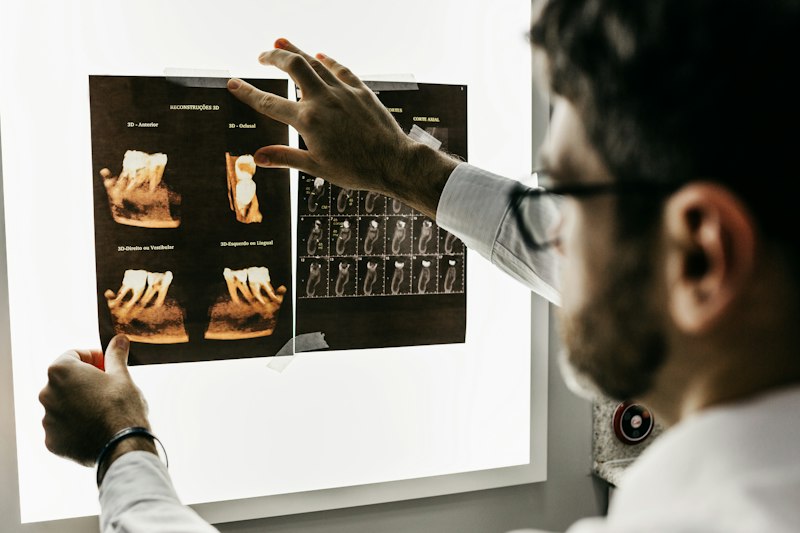
Most healthy adults are candidates for dental implants. Conditions like uncontrolled diabetes, active periodontal disease, or heavy smoking may require management before implant surgery, but they rarely rule it out entirely. A thorough evaluation, including 3D imaging, gives your dental team the information needed to recommend the right approach.
Long-Term Value: Which Option Truly Costs Less Over Time?
If you're evaluating full mouth restoration options purely on initial price, snap-in dentures win. But dental decisions aren't short-term purchases. They're long-term health investments.
Consider what accumulates over 20 years with snap-in dentures:
Attachment replacements every 1 to 2 years: $2,000 to $4,000 total
Relines every 2 to 3 years: $2,000 to $3,000 total
Full denture replacement at least once: $3,000 to $5,000
Additional dental visits for adjustments and repairs
Continued (slower) bone loss that may require future grafting
Now consider fixed implants over 20 years:
One-time surgical and prosthetic cost
One crown or prosthetic replacement around year 10 to 15
Standard dental checkups (same as natural teeth)
Bone preservation with no additional grafting needed
When you add the numbers up, the gap between snap-in dentures and fixed implants narrows significantly. For many patients, permanent tooth replacement with implants proves to be the more economical choice across a lifetime.
Why Patients in Newtown, PA Choose Dental Implants
Patients in Newtown and across Bucks County have access to advanced implant technology that wasn't available even a decade ago. Robotic-guided implant placement, 3D cone beam CT imaging, and same-day tooth replacement protocols have made the process faster, more precise, and more predictable.
At Alpha Dental Excellence, the focus on adult restorative and implant dentistry means patients aren't treated with a one-size-fits-all approach. Each case starts with a detailed assessment: bone density measurements, 3D scans, bite analysis, and an honest conversation about goals and budget.
For patients near Newtown who are weighing tooth replacement options, the convenience of having implant surgery, bone grafting, prosthetic design, and preventive dental treatment options all available under one roof eliminates the hassle of referrals and multiple offices. That matters when you're committing to a treatment plan that spans several months.
Whether you're leaning toward snap-in dentures or exploring dental implants in Newtown, PA, the right first step is the same: a clinical evaluation with imaging that shows exactly what your jawbone can support today.
Frequently Asked Questions
Which lasts longer: snap-in dentures or dental implants?
Dental implants last significantly longer. The titanium implant post can last 25 years or more, with many lasting a lifetime when properly maintained. The crown on top typically lasts 10 to 15 years. Snap-in denture attachments need replacing every 1 to 2 years, the denture base requires relining every 2 to 3 years, and the full denture usually needs replacement within 5 to 10 years.
How much do snap-in dentures cost compared to dental implants?
Snap-in dentures typically cost $3,500 to $8,000 per arch upfront. A single dental implant runs $3,000 to $5,000, while full-arch fixed solutions like All-on-4 range from $15,000 to $30,000+ per arch. However, snap-in dentures carry ongoing maintenance costs that can total $15,000 to $20,000 over 20 years, narrowing the gap considerably.
Is getting dental implants more painful than snap-in dentures?
Both procedures involve implant surgery, so the surgical experience is similar. Snap-in dentures require 2 to 4 implants; full-arch fixed restorations require 4 to 8. Most patients report that discomfort after implant surgery is less than expected, comparable to having a tooth extracted. Sedation options and modern techniques (including robotic-guided placement) reduce discomfort further. Post-surgical soreness typically resolves within 3 to 7 days with over-the-counter pain medication.
What maintenance do snap-in dentures and dental implants require?
Snap-in dentures must be removed nightly, brushed with a soft brush, and soaked in a cleaning solution. The implant attachments in your mouth need separate cleaning, and the rubber O-rings or locator caps require professional replacement every 1 to 2 years. Fixed dental implants are maintained like natural teeth: brushing twice daily, flossing or using a water flosser, and attending general oral health services appointments every six months.
Which option is better if I already have bone loss?
It depends on the extent of bone loss. Snap-in dentures require less bone (only 2 to 4 implant sites), so they may work for patients with moderate bone loss. Fixed implant solutions like All-on-4 use angled implants to maximize contact with existing bone, often eliminating the need for grafting. For patients with severe bone loss, bone grafting for implant support can rebuild the jaw to support either option. A 3D CT scan is the only way to determine exactly what your bone can support.
Are dental implants suitable for seniors?
Yes. There is no upper age limit for dental implants. Healthy adults in their 70s, 80s, and beyond routinely receive implants with excellent outcomes. The key factors are overall health, bone density, and the ability to heal from minor surgery. Conditions like osteoporosis, diabetes, or heart disease don't automatically disqualify someone, but they need to be well-managed. Your dental team will evaluate your full medical history before recommending a treatment plan.
Ready to Find Your Best Tooth Replacement Option?
Choosing between snap-in dentures and dental implants isn't about which option is universally "better." It's about which option is right for your bone structure, your budget, your lifestyle, and your goals for the next 10, 20, or 30 years.
The only way to get a definitive answer is through a clinical evaluation with 3D imaging. That assessment tells you exactly how much bone you have, which solutions your jaw can support, and what each option will cost for your specific situation.
If you're in Newtown, PA, or anywhere in Bucks County and you're ready to stop guessing and start planning, schedule a dental consultation with the team at Alpha Dental Excellence. You'll get a clear picture of your options, honest answers about cost and timeline, and zero pressure to decide on the spot.
